
Blog / Coeur d'Alene Honda Service

Honda Tire Service and Care: Ensuring Road Safety

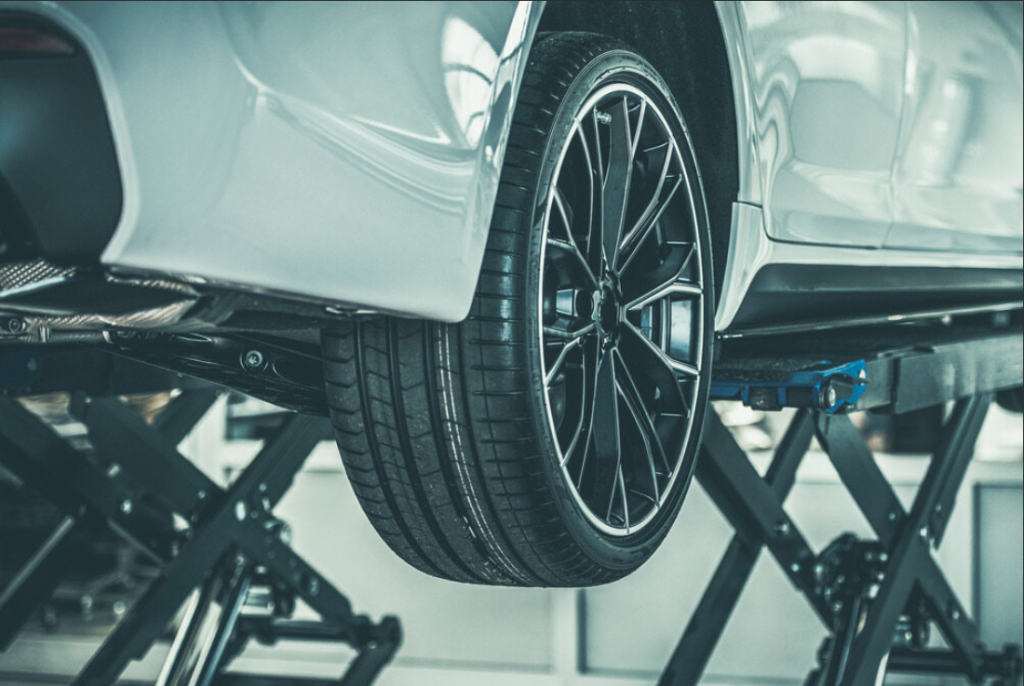
A car in the process of a tire rotation being done at Coeur d'Alene Honda.

To drive as safely as possible, your vehicle should be in the best condition it can be in. Everything from your engine and brakes to your tires needs to be taken care of at the local Honda dealership. There are many forms of tire service that you need to get to make sure your tires are in the best shape.


Tire Pressure


Making sure your tires are inflated enough, but never too
much, is essential for road safety. This is because the amount of air you have
in your tires can influence your driving. It's easy to damage tires when
they're overinflated, and a small obstacle that wouldn't impact properly
inflated tires may cause a puncture. If your tires are underinflated,
then you are at risk of a blowout, and your tires won't wear down evenly.

Check your owner's manual, and see what psi your tires should be kept at. If
the pressure drops, visit the dealer to get more air pumped in. Cars also
handle better when the tires are neither over nor underinflated.


Wheel Alignment


As you drive, your wheels gradually move out of alignment.
The tires may not be in line with each other or with the centerline of your
car. You need wheel alignments to adjust the angles of your wheels, so your
tires can have even contact with the road surface, giving you the most traction
possible for optimum safety.


Tire Rotation


When your tires wear down evenly, they last longer and
provide a smoother ride with an even amount of traction across the entire
surface of the tire. To make sure they wear down evenly, you need to get a tire
rotation approximately every 5,000 to 8,000 miles, but this may vary depending
on your specific car model. Generally, though, the tires need to be
rotated twice a year so they can provide the most traction, making your right
safer.


Tire Balancing


If your vehicle doesn't put the same amount of weight on all
of your tires, then your ride won't be as comfortable as it should be. You'll
feel more vibrations coming from your wheels, and your car just won't be as
safe as it could be.

Going to a highly qualified mechanic, such as those who work at your local
dealership, to get new tires installed is vital. That way, you'll ensure tire
balancing is done as part of the normal installation process, so you won't have
any issues.


Tread Depth


Make sure you measure your tread regularly. When your tread
gets too shallow, your tires can't perform as optimally as they should. Deeper
tread grips the road better, so when your tread gets shallower than 2/32 of an
inch, it's time for a new set of tires.

Come to Coeur d'Alene Honda in d'Alene, ID
for all your tire care needs. Make sure you also come by for all your other car
maintenance needs, too.
Posted in:

Related Posts

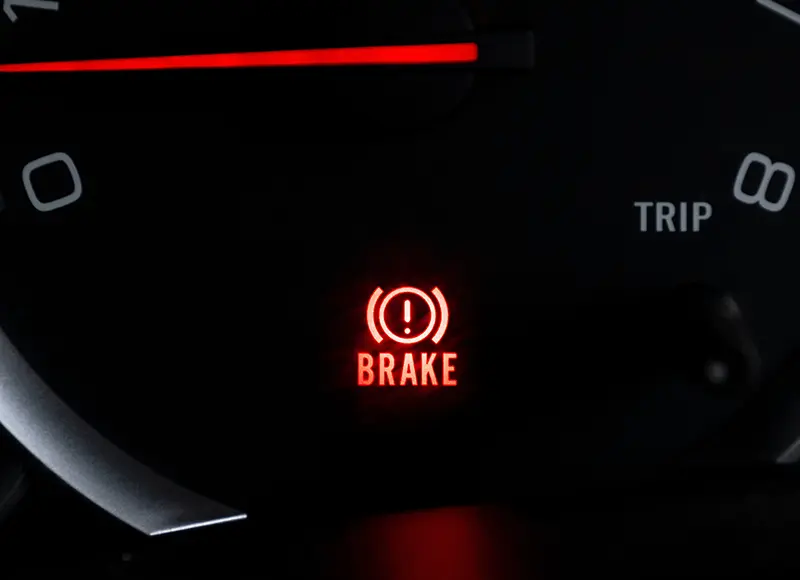
Brake Sign on Odometer

Why Routine Brake Service is Important for Your Honda

Your Honda is built to last, but you still need to do some work to keep it that way. Making sure you’re staying on top of regular maintenance and routine brake service is the best thing you can do to make sure your Honda is in top shape. No matte r if you drive a Civic, CR-V, Accord, or Pilot in Coeur d’Alene, ID, your braking system works hard every single day. Ignoring it can lead to bigger problems down the road, both for your safety and your wallet. What Routine Brake Service Involves Routine brake service is more than just replacing worn pads. A thorough inspection typically covers brake pads, rotors, calipers, brake fluid, and brake lines. A technician will check pad thickness, look for rotor wear or scoring, and make sure fluid levels are within a safe range. If brake fluid has absorbed too much moisture over time, it can reduce stopping performance. Flushing and replacing the fluid is a s imple part of routine brake service that many drivers overlook. How Often Should You Service Your Brakes? There is no single answer that fits every driver. Brake wear depends on your driving habits, the type of roads you travel, and even the weight of your vehicle. Honda recommends consulting your owner's manual and paying attention to your Maintenance Minder system, which tracks real-time vehicle conditions to alert you when service is needed. As a general guide, brake pads often need attention somewhere between 25,000 and 65,000 miles. If you notice squealing, grinding, a spongy brake pedal, or your vehicle pulling to one side when stopping, do not wait - bring it in for an inspection right away. These are signs that routine brake service should not be delayed. Signs Your Honda Needs Brake Service Knowing the warning signs can help you act before a small issue becomes a serious one. A high-pitched squeal when you apply the brakes is often the built-in wear indicator letting you know the pads are getting thin. A grinding sound usually means the pads are worn completely through and metal is contacting the rotor. Vibration through the brake pedal or steering wheel can point to warped rotors, which can happen after prolonged hard stops. Any of these symptoms are good reasons to schedule brake service as soon as possible. Why Honda-Trained Service is Important Hondas are designed with specific tolerances, and using the right parts and procedures makes a difference. Honda-trained technicians understand the braking systems across the full Honda lineup - from the sporty Civic Si Sedan to the family-friendly Odyssey and the rugged Passport. They know what to look for and how to keep your vehicle performing the way it was designed to. Using quality parts that meet Honda's specifications also helps ensure your brak es work as expected in everyday stops and emergency situations alike. Schedule Your Brake Service in Coeur d'Alene Drivers in Coeur d'Alene know that local roads can put real demands on a vehicle. Staying current with routine brake service is one of the simplest ways to protect yourself, your passengers, and your Honda investment. Whether your vehicle is due for an inspection or you have already noticed a warning sign, do not put it off. Visit Coeur d'Alene Honda online at cdahonda.com to schedule your brake service appointment. The team is ready to help you drive with confidence, mile after mile.

A person with their thumb up and another with a wrench.

3 Signs Your Honda Needs Maintenance

As your Honda dealership, we provide a complete range of services to keep your Honda in great shape. Parts will inevitably wear out or fail, potentially causing additional damage if not repaired. We'd like you to know a few signs you need to visit us for Honda maintenance. Thudding Noises If you hear thudding noises when driving, this could mean one or both of your engine mounts are damaged. The engine mounts are made from tough rubber and are filled with liquid. The mounts anchor your engine securely to the frame, and their liquid filling helps absorb vibrations from the surface that could damage the engine. They also muzzle the engine vibrations caused by combustion and the movement of countless engine components. In time, the rubber mounts can crack, and the liquid will seep out. If this happens, your engine will move up and down when driving, causing a thudding noise as it hits the frame on the way down. The engine can't tear loose from the damaged mounts, but it will suffer unnecessary wear and tear due to the constant movement. We'll examine the mounts and replace them if they're damaged. Rattling From the Converter The catalytic converter is connected to the exhaust system and converts dangerous, toxic engine gases into harmless gases and water. This reduces pollution when the newly converted gases leave the tailpipe. The converter is a relatively tough component, only requiring replacement after approximately eight years. The converter uses crushing pressure, intense heat, and chemical reactions to convert the gases. If your converter is failing, it can overheat. The converter's interior has a honeycomb structure to provide the largest possible surface area for conversion. Excessive heat can crack the honeycomb, and pieces will break off and rattle inside the converter as you drive. We can't repair this damage, but we can replace the converter to fix the problem. Hard Brake Pedal When you push on the brake pedal, you feel resistance, which grows as you exert more pressure. The resistance is normal and is caused by pressurized brake fluid. If you hit the brakes and the pedal barely moves, the excessive resistance is caused by the failure of a braking component called the brake pedal booster. The booster is located behind the brake pedal and uses a vacuum system to magnify the force you exert 10x. This enables you to apply the brakes without excessive effort. If the booster is damaged, usually due to a leak in the vacuum system, braking will become slower and more tiring due to the extra effort you must exert. We'll examine the booster and repair or replace it to fix this issue. If your Honda isn't working as well as it should, contact us today at Coeur d'Alene Honda in Coeur d'Alene, ID.

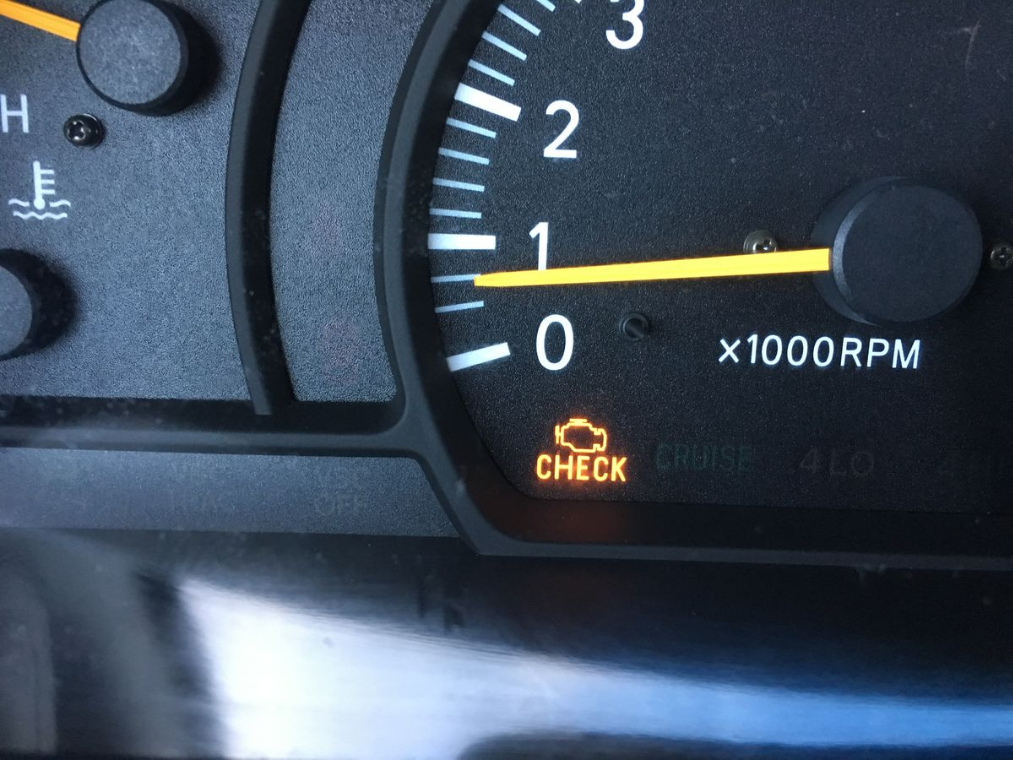
A photo of the check engine light on the dashboard of a car.

3 Signs Your Honda Needs a Transmission Service

Transmission problems may seem scary, but most can be easily and inexpensively repaired if detected when they start. Like most problems, a transmission issue will worsen over time, potentially causing further damage. As your Honda dealership, we'd like you to know a few signs you need to visit us for a transmission service. Transmission Leak Transmission fluid is vital for your transmission, providing the hydraulic power that enables the gears to shift smoothly and easily. Many transmission components depend on friction to work effectively, and this fluid coats them in a friction-resistant covering. The covering allows them to glide rather than grind against each other, reducing wear and tear. Finally, the fluid helps reduce the temperature inside the transmission, reducing component damage. Fluid can leak from several places, but the most common leak site is through a worn transmission pan gasket. The pan gasket seals the transmission but can shrink due to age, and the fluid will leak. Fortunately, a leak is easy to identify as transmission fluid is bright or dark red. Our technicians will examine the transmission and repair the leak. Once the leak is fixed, we'll refill the fluid. Slipping Gears Once your Honda transmission shifts gears, it remains in the new gear until you or the transmission computer shifts it again. Slipping gears is a dangerous situation where the gears shift without warning and usually drop to the previously used gear. Depending on the gear, this can cause your Honda to lurch as it is forcibly slowed or even stop dead and potentially cause an accident. Slipping gears can be caused by worn gear teeth, broken transmission bands, a transmission computer error, or a fluid leak. The most common cause is low transmission fluid, as the lack of fluid reduces the hydraulic power used to shift the gears. Insufficient power prevents the transmission from remaining in the new gear. We'll examine your transmission and repair the problem. Check Engine Light The transmission is one of the few systems in your vehicle that doesn't have a warning light. This is because the engine and transmission work so closely together that a transmission problem will automatically affect engine performance. If the transmission develops a problem, the engine works harder to compensate, causing additional wear and tear on engine components and possibly causing damage. We'll connect an OBD II reader to your Honda computer if you have an illuminated check engine light. Any issues identified by the computer are logged with error codes, and once the reader reveals the code, we will fix the problem. If you have a transmission problem, contact the experts at Coeur d"Alene Honda in Coeur d'Alene, ID.