
Blog / Coeur d'Alene Honda Service

The Benefits of Regular Oil Changes for Hondas

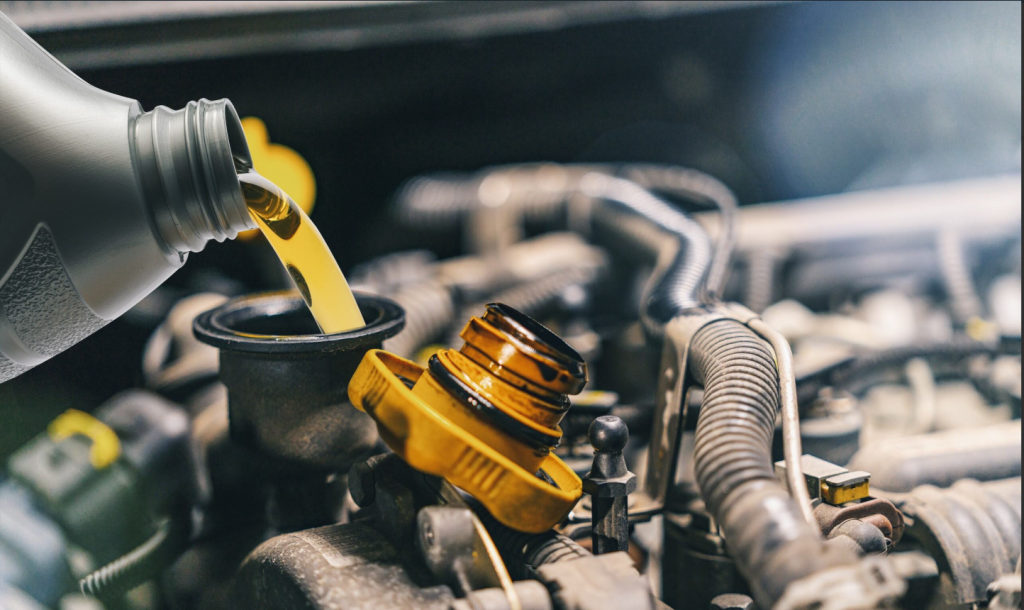
An oil change being preformed on a car near Coeur d'Alene Honda.

Modern synthetic motor oil is more chemically stable than traditional oil, with superior longevity and many useful additives. You can expect your synthetic oil to last 7,500 to 10,000 miles before it needs to be changed, after which it will finally start to degrade. For the following reasons, it's important not to miss a scheduled oil change at your local Honda dealer. Let's look at the many benefits of keeping motor oil as fresh as possible at all times. 

Better Engine Performance

Motor oil serves a variety of essential functions inside the engine. Not only does it lubricate the pistons, valves, rods, and other moving components, minimizing friction, but motor oil also cleans out particles, prevents the buildup of sludge, and reduces rust. 

Without fresh, fully functioning oil, your engine will rapidly suffer from excessive friction, contaminant sludge, and corrosion. This prevents the engine from working efficiently and saps its power, decreasing overall vehicle performance. 

Longer Engine and Vehicle Lifespan 

The problems resulting from degraded motor oil also accelerate engine wear and tear. In particular, increasing friction from a lack of lubrication may cause significant damage inside your engine. Because of this, motor oil does a great deal in extending the lifespan of your engine, and by extension, your car.

Keep Your Warranty Valid

If your car has a warranty, it will most likely require routine oil servicing to remain valid. This is because the manufacturer knows how crucial it is to refresh motor oil frequently. Without regular changes, it's only a matter of time before your car runs into serious trouble.

Less Risk of Overheating

Overheating is often the death knell of a car's engine. While coolant does most of the work in keeping an engine cool, motor oil also helps keep temperatures under control. If you allow your oil to deteriorate and turn to sludge, the build-up of friction may lead to overheating, which can destroy a car's engine in short order. 

Improved Gas Mileage

In keeping your engine running as efficiently as possible, fresh motor oil also maximizes your car's gas mileage. If you find yourself stopping for gas more frequently, you may need to refresh your oil.

Change Your Oil Twice a Year at Your Honda Dealer

Most drivers visit their local dealership for fresh motor oil twice a year. You can check your owner's manual and abide by the manufacturer's schedule recommended for your particular vehicle. 

Some drivers should change their oil three or four times a year. This applies if you put your engine under excessive strain with regular commutes in heavy traffic, daily short drives of under five miles, or other severe driving conditions.

Visit Coeur d'Alene Honda in Coeur d'Alene, ID, today to have your oil refreshed by friendly, knowledgeable technicians. We've been helping out the region's drivers with great vehicles, deals, maintenance services, and customer care for over two decades. 
Posted in:

Related Posts

A person with their thumb up and another with a wrench.

3 Signs Your Honda Needs Maintenance

As your Honda dealership, we provide a complete range of services to keep your Honda in great shape. Parts will inevitably wear out or fail, potentially causing additional damage if not repaired. We'd like you to know a few signs you need to visit us for Honda maintenance. more Thudding Noises If you hear thudding noises when driving, this could mean one or both of your engine mounts are damaged. The engine mounts are made from tough rubber and are filled with liquid. The mounts anchor your engine securely to the frame, and their liquid filling helps absorb vibrations from the surface that could damage the engine. They also muzzle the engine vibrations caused by combustion and the movement of countless engine components. In time, the rubber mounts can crack, and the liquid will seep out. If this happens, your engine will move up and down when driving, causing a thudding noise as it hits the frame on the way down. The engine can't tear loose from the damaged mounts, but it will suffer unnecessary wear and tear due to the constant movement. We'll examine the mounts and replace them if they're damaged. Rattling From the Converter The catalytic converter is connected to the exhaust system and converts dangerous, toxic engine gases into harmless gases and water. This reduces pollution when the newly converted gases leave the tailpipe. The converter is a relatively tough component, only requiring replacement after approximately eight years. The converter uses crushing pressure, intense heat, and chemical reactions to convert the gases. If your converter is failing, it can overheat. The converter's interior has a honeycomb structure to provide the largest possible surface area for conversion. Excessive heat can crack the honeycomb, and pieces will break off and rattle inside the converter as you drive. We can't repair this damage, but we can replace the converter to fix the problem. Hard Brake Pedal When you push on the brake pedal, you feel resistance, which grows as you exert more pressure. The resistance is normal and is caused by pressurized brake fluid. If you hit the brakes and the pedal barely moves, the excessive resistance is caused by the failure of a braking component called the brake pedal booster. The booster is located behind the brake pedal and uses a vacuum system to magnify the force you exert 10x. This enables you to apply the brakes without excessive effort. If the booster is damaged, usually due to a leak in the vacuum system, braking will become slower and more tiring due to the extra effort you must exert. We'll examine the booster and repair or replace it to fix this issue. If your Honda isn't working as well as it should, contact us today at Coeur d'Alene Honda in Coeur d'Alene, ID.

A photo of the check engine light on the dashboard of a car.

3 Signs Your Honda Needs a Transmission Service

Transmission problems may seem scary, but most can be easily and inexpensively repaired if detected when they start. Like most problems, a transmission issue will worsen over time, potentially causing further damage. As your Honda dealership, we'd like you to know a few signs you need to visit us for a transmission service. more Transmission Leak Transmission fluid is vital for your transmission, providing the hydraulic power that enables the gears to shift smoothly and easily. Many transmission components depend on friction to work effectively, and this fluid coats them in a friction-resistant covering. The covering allows them to glide rather than grind against each other, reducing wear and tear. Finally, the fluid helps reduce the temperature inside the transmission, reducing component damage. Fluid can leak from several places, but the most common leak site is through a worn transmission pan gasket. The pan gasket seals the transmission but can shrink due to age, and the fluid will leak. Fortunately, a leak is easy to identify as transmission fluid is bright or dark red. Our technicians will examine the transmission and repair the leak. Once the leak is fixed, we'll refill the fluid. Slipping Gears Once your Honda transmission shifts gears, it remains in the new gear until you or the transmission computer shifts it again. Slipping gears is a dangerous situation where the gears shift without warning and usually drop to the previously used gear. Depending on the gear, this can cause your Honda to lurch as it is forcibly slowed or even stop dead and potentially cause an accident. Slipping gears can be caused by worn gear teeth, broken transmission bands, a transmission computer error, or a fluid leak. The most common cause is low transmission fluid, as the lack of fluid reduces the hydraulic power used to shift the gears. Insufficient power prevents the transmission from remaining in the new gear. We'll examine your transmission and repair the problem. Check Engine Light The transmission is one of the few systems in your vehicle that doesn't have a warning light. This is because the engine and transmission work so closely together that a transmission problem will automatically affect engine performance. If the transmission develops a problem, the engine works harder to compensate, causing additional wear and tear on engine components and possibly causing damage. We'll connect an OBD II reader to your Honda computer if you have an illuminated check engine light. Any issues identified by the computer are logged with error codes, and once the reader reveals the code, we will fix the problem. If you have a transmission problem, contact the experts at Coeur d"Alene Honda in Coeur d'Alene, ID.

Someone changing the oil on a new Honda at Coeur d'Alene Honda.

The Importance of Regular Oil Changes for Honda Vehicles

As a driver, you're no doubt aware that changing your motor oil is a vital part of diligent vehicle maintenance. Keeping the oil fresh is so important that missing even one oil change can cause irreparable harm to the engine, which will shorten the lifespan of your entire car. Here are five significant reasons that you should visit your local Honda dealer at least twice a year to refresh your oil. more Oil Cleans Your Engine Motor oil performs a remarkable number of functions, keeping your engine working at maximum capacity. One thing it does is clean metal fragments and other contaminants into the oil filter. If you neglect to change your oil, the filter and oil will fill up with debris and thicken, which reduces its ability to clean and protect your engine. Oil Lubricates Your Engine The lubricating function of oil is the engine's defense against friction. Motor oil coats all the moving parts in a fine layer, allowing them to move against each other smoothly and easily, mile after mile. But as oil ages, it ceases to lubricate so easily, which allows friction to build, accelerating wear and tear. Oil Prevents Overheating Internal combustion engines use a continual succession of explosions to power the car, which generates a good deal of heat. But the temperature must be kept under control; excessive heat can destroy an engine in short order. Both the cooling system and motor oil work to reduce the engine's heat. Without either one, you're putting your engine and car at risk. Oil Combats Rust and Corrosion Modern synthetic motor oil contains powerful anti-rust qualities that keep the many metal parts from deteriorating. This is one reason why it's never wise to let your car sit unused for too long; the engine must be running for the oil to flow, coat, and protect its various parts. It's also unwise to neglect to refresh your oil, which gradually loses its ability to prevent corrosion as it ages. Oil Lengthens Your Engine's Lifespan Honda engines can run for 250,000 miles and even farther when well-maintained. However, forgetting to change the oil on time diminishes this impressive lifespan. By routinely refreshing the oil, you're also maintaining the value of the car should you ever wish to sell it. Book Biannual Oil Servicing at Your Honda Dealer The rule of thumb for changing motor oil is twice a year. The optimal interval can vary from driver to driver, so it's a good idea to consult on this with a trusted technician. We can arrange a personalized servicing schedule that suits your busy lifestyle, combining maintenance services as needed for optimal time efficiency. Our technicians can also send you courteous reminders whenever it comes time to change your oil. Schedule your first oil service today at Coeur d'Alene Honda in Coeur d'Alene, ID. We've been serving the local community's drivers with great vehicles and maintenance services since 1968.