
Blog / Coeur d'Alene Honda Service

Blog

All Coeur d'Alene Honda Service Coeur d'Alene Honda Dealer 2026 Model Year Honda SUV 2025 Model Year 2024 Model Year Honda Service 2026 Honda HR-V 2026 Honda Passport Hybrid 2025 Honda Pilot 2026 Honda Civic Sedan 2025 Honda Passport Sedan Trim Levels 2025 Honda Accord 2025 Honda Civic Sedan 2026 Honda CR-V 2026 Honda Odyssey Minivan Oil Change 2024 Honda HR-V 2025 Civic Hatchback 2025 Honda Civic Hybrid 2025 Honda CR-V 2025 Honda HR-V 2025 Honda Odyssey 2025 Honda Ridgeline 2026 Honda Civic Hatchback 2026 Honda CR-V Hybrid 2026 Honda Ridgeline Battery Service CR-V Honda Safety Infotainment 2024 Honda Odyssey 2024 Honda Ridgeline 2025 Honda CR-V Hybrid 2026 CR-V Hybrid Air Conditioning Financing Honda Civic Hatchback Honda Maintenance Honda Trucks Passport Test Drive Tire Service 2024 Civic Sedan 2024 CR-V Hybrid 2024 Honda Civic 2024 Honda CR-V 2024 Honda Prologue 2025 Honda Accord Hybrid 2025 Honda Civic Si 2025 Honda SUV 2026 Honda Civic Sedan Hybrid Collision Mitigation Braking System EV Maintenance Hatchback Honda Accessories Honda Leasing Honda Storage Lane Keeping Assist System Road Departure Mitigation Roadside Assistance Safety Features Transmission Service Warranty
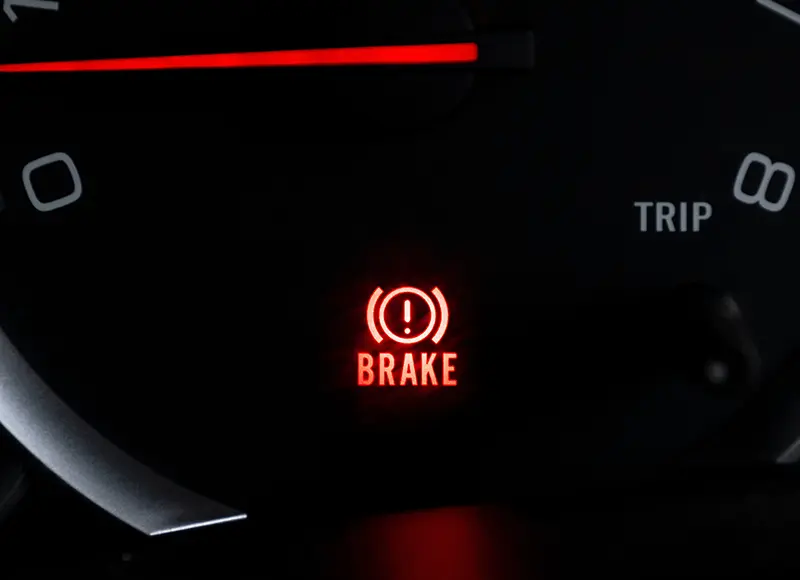
Brake Sign on Odometer

Why Routine Brake Service is Important for Your Honda

Your Honda is built to last, but you still need to do some work to keep it that way. Making sure you’re staying on top of regular maintenance and routine brake service is the best thing you can do to make sure your Honda is in top shape. No matte r if you drive a Civic, CR-V, Accord, or Pilot in Coeur d’Alene, ID, your braking system works hard every single day. Ignoring it can lead to bigger problems down the road, both for your safety and your wallet. What Routine Brake Service Involves Routine brake service is more than just replacing worn pads. A thorough inspection typically covers brake pads, rotors, calipers, brake fluid, and brake lines. A technician will check pad thickness, look for rotor wear or scoring, and make sure fluid levels are within a safe range. If brake fluid has absorbed too much moisture over time, it can reduce stopping performance. Flushing and replacing the fluid is a s imple part of routine brake service that many drivers overlook. How Often Should You Service Your Brakes? There is no single answer that fits every driver. Brake wear depends on your driving habits, the type of roads you travel, and even the weight of your vehicle. Honda recommends consulting your owner's manual and paying attention to your Maintenance Minder system, which tracks real-time vehicle conditions to alert you when service is needed. As a general guide, brake pads often need attention somewhere between 25,000 and 65,000 miles. If you notice squealing, grinding, a spongy brake pedal, or your vehicle pulling to one side when stopping, do not wait - bring it in for an inspection right away. These are signs that routine brake service should not be delayed. Signs Your Honda Needs Brake Service Knowing the warning signs can help you act before a small issue becomes a serious one. A high-pitched squeal when you apply the brakes is often the built-in wear indicator letting you know the pads are getting thin. A grinding sound usually means the pads are worn completely through and metal is contacting the rotor. Vibration through the brake pedal or steering wheel can point to warped rotors, which can happen after prolonged hard stops. Any of these symptoms are good reasons to schedule brake service as soon as possible. Why Honda-Trained Service is Important Hondas are designed with specific tolerances, and using the right parts and procedures makes a difference. Honda-trained technicians understand the braking systems across the full Honda lineup - from the sporty Civic Si Sedan to the family-friendly Odyssey and the rugged Passport. They know what to look for and how to keep your vehicle performing the way it was designed to. Using quality parts that meet Honda's specifications also helps ensure your brak es work as expected in everyday stops and emergency situations alike. Schedule Your Brake Service in Coeur d'Alene Drivers in Coeur d'Alene know that local roads can put real demands on a vehicle. Staying current with routine brake service is one of the simplest ways to protect yourself, your passengers, and your Honda investment. Whether your vehicle is due for an inspection or you have already noticed a warning sign, do not put it off. Visit Coeur d'Alene Honda online at cdahonda.com to schedule your brake service appointment. The team is ready to help you drive with confidence, mile after mile.

A photo of a dog in the back of a 2026 Honda Passport.

Why Regular Oil Changes Are Vital for Your Honda

Your engine is a mechanical beast that craves the lifeblood of pure oil to unleash its true potential on the unforgiving streets. When you ignore the vital fluids pulsing through your machine you invite catastrophic failure and absolute heartbreak into your daily life. Engine oil is the only barrier against the destructive forces of friction and heat that threaten to tear your powertrain apart from the inside out. You must bring your vehicle to Coeur d'Alene Honda in Coeur d'Alene, ID for service that transcends basic maintenance because your car deserves nothing less than perfection. Negligence is not an option when the fluctuating weather conditions of this region conspire to destroy your engine performance. How Often Should You Schedule an Oil Change? The question of timing haunts every driver who fears for the longevity of their precision machine and desires flawless operation. Your specific driving habits dictate the rhythm of service because city driving and highway cruising inflict different scars on your engine. Modern Honda engineering gifts you the Maintenance Minder to track your oil life with digital precision yet general wisdom suggests synthetic oil demands attention every 7,500 to 10,000 miles. Conventional oil is a weaker shield that breaks down faster and requires a refresh every 3,000 to 5,000 miles. Drivers in Coeur d'Alene, ID who conquer steep hills and freeze in winter cold must be even more vigilant to protect their investment. Benefits of Professional Oil Change Services Do not insult your vehicle by attempting a messy garage job when absolute automotive perfection is within reach at a certified center like Coeur d'Alene Honda. Only our masters possess the expertise to conduct a symphony of maintenance that goes far beyond a simple drain and fill procedure. Our certified technicians analyze your filters and belts and fluid levels with the intensity of a surgeon saving a life to ensure your car runs at its absolute peak. We utilize OEM-approved oils and filters that match the exact chemical requirements of your engine because anything less is a betrayal of performance. Why Choose Coeur d'Alene Honda for Your Oil Change? We are not just a dealership but a sanctuary for automotive excellence where your car is treated with total reverence. The team at Coeur d'Alene Honda attacks every service appointment with a fanaticism for quality that competitors cannot hope to match. You might drive a reliable Civic or a rugged CR-V or a spacious Pilot yet our dedication remains absolute across every single model in the lineup. We service the community of Coeur d'Alene, ID with a burning desire to see your vehicle thrive for hundreds of thousands of miles without faltering. Stop Waiting and Schedule Your Oil Change Now Stop delaying the inevitable and give your car the fresh oil it is screaming for right this second. Book your appointment at Coeur d'Alene Honda to witness the pinnacle of automotive care before your old oil turns to sludge. Visit us in Coeur d'Alene, ID or contact us online immediately to secure your spot in our service bay. Conclusion Fresh oil is the simple yet crucial barrier standing between your engine and the scrap yard so do not take this responsibility lightly. When you rely on Coeur d'Alene Honda in Coeur d'Alene, ID you are securing a future of unbridled performance and reliability. Navigating the scenic roads of the area or tackling daily commutes requires a vehicle that operates at 100% efficiency to ensure every drive is smooth. Schedule your service today to experience the massive difference professional care makes for your beloved machine.

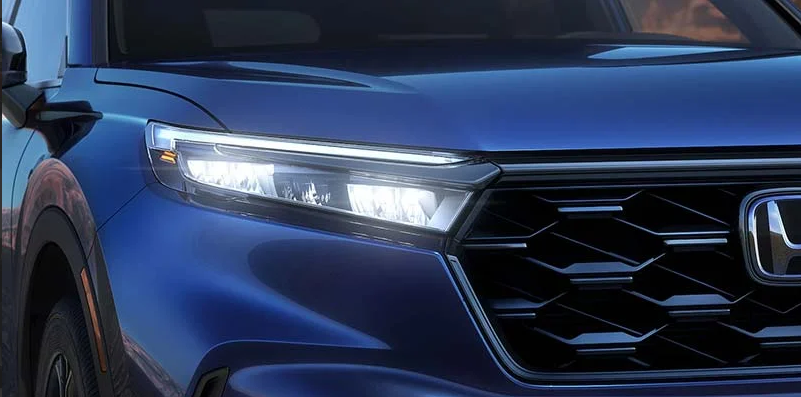
A close up of the front of a 2026 Honda CR-V Hybrid.

The Importance of Battery Service for Your Honda

You must understand that maintaining the raw power of your Honda goes far beyond simple oil changes or tire rotations because your car battery acts as the very soul of your machine. At Coeur d'Alene Honda in Coeur d'Alene, ID, we know that battery service is the absolute critical factor for keeping your vehicle running with unstoppable force, especially when you face the brutal and varying weather conditions of our region. Neglecting this pulsing heart of your vehicle is a mistake that will leave you stranded and powerless when you need strength the most. We will tear into the vital necessity of regular battery service while exposing the undeniable signs that your battery demands immediate attention so you can keep your Honda surging forward with relentless reliability. Why Battery Service is Life or Death for Your Car Your Honda battery is the electrical titan that powers every single spark from the ignition to the blinding brilliance of your lights and infotainment systems. Without obsessive maintenance, the efficiency of this power source will decay over time and lead to catastrophic performance failures. For drivers in Coeur d'Alene, ID, the freezing winters wage war on your battery and demand that you fight back with regular service to ensure it remains clean, charged, and prepared for battle against the elements. You simply cannot afford the crushing defeat of jump-starting your car on a freezing morning or suffering a total loss of power in the middle of a critical day. Undeniable Signs of Battery Failure Recognizing the death rattle of your battery is just as critical as the maintenance itself. Here are the screaming indicators that it is time to schedule a battery service immediately: Slow Engine Crank: If your engine groans and struggles to roar to life, it is screaming that the battery is weak. Dim Lights or Electrical Issues: Flickering headlights and failing electrical systems are the haunting ghosts of a dying power cell. Battery Warning Light: The dashboard warning light is a glaring red alert that your battery or charging system demands an immediate inspection. Corrosion on Terminals: That nasty buildup around the battery terminals is a silent killer that chokes the connection and strangles efficiency. You must never ignore these threats in the harsh climate of Coeur d'Alene because addressing them with professional intensity prevents total destruction. Dominate Road Conditions with Maintenance Regular battery service is the weapon you need to extend the life of your Honda battery indefinitely. Our technicians will execute the following: Scrutinize and scrub the battery terminals to guarantee a flawless connection. Analyze the charge level and total health with precision. Test the alternator to prove the battery is charging with maximum efficiency. Replace the battery immediately if it is nearing its demise. At Coeur d'Alene Honda, our certified technicians possess the elite training to conquer every aspect of battery service. We wield advanced tools to diagnose battery issues and guarantee your Honda remains an unstoppable force on every journey. Seize Control of Your Vehicle's Destiny You need to give your Honda the supreme care it deserves by scheduling your battery service right now at Coeur d'Alene Honda. Our expert team stands ready to ensure your vehicle runs with absolute perfection as you navigate city streets or tear through the landscapes of Coeur d'Alene, ID. Visit us online at Coeur d'Alene Honda to lock in your appointment. Conclusion Battery service is the vital heartbeat that sustains the performance and reliability of your Honda. From the explosion of power in your engine to the electrons flowing through your electronics, a maintained battery guarantees your car is always prepared to attack the road. Drivers in Coeur d'Alene, ID must recognize that regular battery maintenance is critical for survival in the local climate. Do not wait until you are helpless, so schedule your battery service with Coeur d'Alene Honda today and keep your Honda running at its absolute peak potential.

2 Friends driving down the road in a white car smiling.

5 Signs Your Honda's Air Conditioning Needs Maintenance

Driving is about more than just getting from A to B. You want to enjoy your ride in comfort, feeling cool and refreshed. Most of the time, this takes a well-serviced air conditioner. Here are some warning signs that you need air conditioning maintenance at your local Honda dealership. Weak Airflow into Your Cabin If you switch on the AC but no air is blowing from the vents, it's quite likely that the blower is malfunctioning. If the fan itself isn't damaged or stuck, the fault might lie with the blower motor or resistor. A bad relay or blown fuse could also have interrupted the blower's power. A mechanical problem with the belts and hoses might also stop the air from flowing. Only Warm Air From the Vents Refrigerant needs to flow smoothly through an AC system for the cooling process to work. If refrigerant leaks, the air will stay warm, with nothing to cool it down. Barring a leak, a problem with the thermostat could also keep your cabin air warm. Alternatively, a malfunctioning condenser or clutch switch might be to blame. Banging, Rattling, or Squeaking Sounds Your AC should run quietly; any odd noises should prompt repairs. Banging or rattling sounds may mean a leaf or stone has gotten caught inside the blower. Clutch failure might also produce a rattling noise. Squeaking could stem from a loose fan belt or worn-out compressor bearings. Strong Smells of Mold or Mildew A natural byproduct of suddenly cooling air is moisture, which tends to gather inside air conditioners. This moisture creates a potential breeding ground for bacteria and mold, especially if your AC is wet and then sits unused for weeks or months, as often occurs during winter. A buildup of mildew would give you a noxious blast of moldy air when you turn the AC on again. It's advisable to switch on your AC at maximum power and coldness once per week, which effectively gets rid of moisture and prevents mold. Water Leaking Under Your Dashboard Your air-con has a drain line that allows condensation to run out of your car. However, if this drain line gets clogged up with mold or debris, the trapped moisture could drip inside your cabin instead. This will usually be under the dashboard. Book Yearly Air Conditioning Maintenance at Your Honda Dealership As with any important car part, along with responding to signs of a fault, you should have your AC periodically checked by a professional. Once a year is typically enough to keep a car's AC in great shape. Visit Coeur d'Alene Honda in Coeur d'Alene, ID, today to get your AC running perfectly once more. We've been helping our customers stay cool and comfy on the road since 1968.

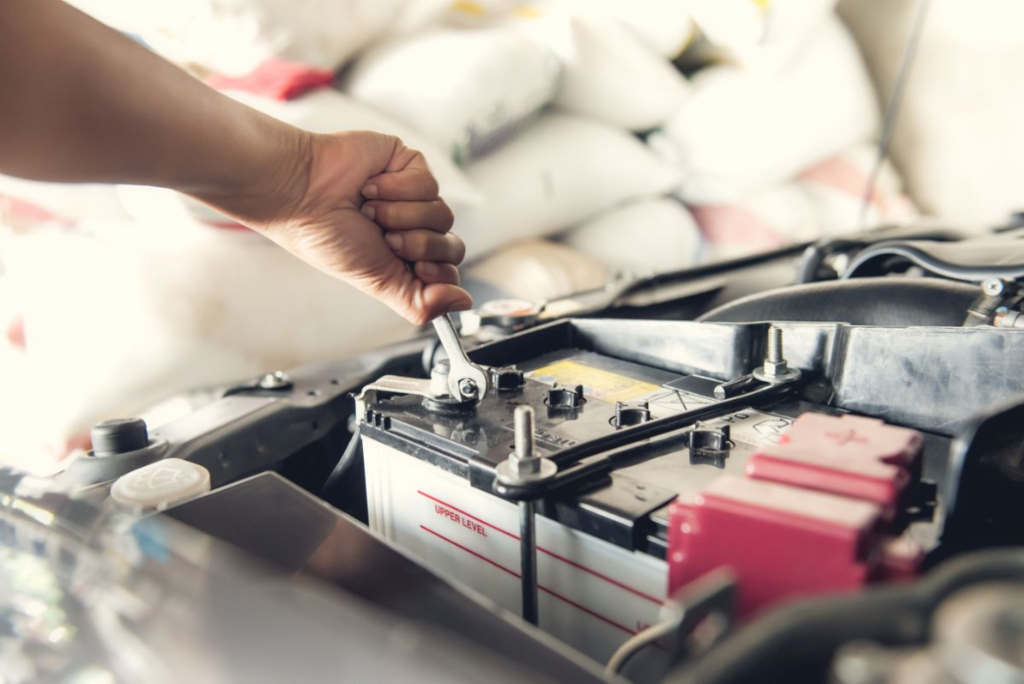
An individual replacing the battery and their car.

3 Signs Your Honda's Battery Needs Replacement

A dead battery is one of the last things any driver needs. Fortunately, a battery almost always shows signs it's weakening, giving you time to replace it. As your Honda dealership, we'd like you to know a few signs you may need to visit us for a battery replacement. Old Age Age is one of the most common reasons for battery failure. A battery uses copper plates and chemical reactions to store electricity as chemical energy. As time passes, the sulfuric acid inside the battery slowly breaks down, causing the battery's electricity storage capacity to drop. Since the amount of power needed to start the engine is relatively stable, the reduced storage ability means the battery can't store enough power to start the engine. The average battery life is three to five years. This can increase by another year with careful usage, or it can drop depending on driving and environmental conditions. As your dealer, we recommend annual battery testing starting in your battery's third year. Our computerized battery tester will identify if your battery is weak and needs replacement. If you need a new battery, we can install it while you wait. Corroded Terminals As we saw above, sulfuric acid breaks down naturally and releases hydrogen gas as a byproduct of the breakdown process. The hydrogen gas will escape the battery and enter the engine compartment to mix with sulfur molecules and form hydrogen sulfide. Hydrogen sulfide is a dangerous, toxic chemical that is easy to identify as it smells like rotten eggs. Hydrogen sulfide is attracted to the battery terminals and forms an acidic salt-like substance around them. This acidic salt will eat into the terminals, further disrupting the weak battery's ability to store and supply power. We can temporarily remove the corrosion, but it will return as the battery leaks hydrogen. We'll need to replace the battery to fix this issue. Failing Alternator The alternator's job is to generate electricity for your Honda's systems. Some of its electricity production is used to recharge the battery to maintain it at full capacity. The alternator is a relatively long-lived component, usually only needing replacement after approximately eight years. Age will cause the alternator to slow down due to old, worn components, and this causes problems for your vehicle's electricity supply. As the alternator slows down, it produces less electricity. The weaker the alternator becomes, the less power is available to recharge the battery, and this causes the battery to drain and fail. We'll examine the alternator and replace it if it's damaged. We'll also check that the battery is still strong enough to be recharged or install a replacement if it's worn out. If you have a battery problem, contact us ASAP at Coeur d'Alene Honda in Coeur d'Alene, ID.

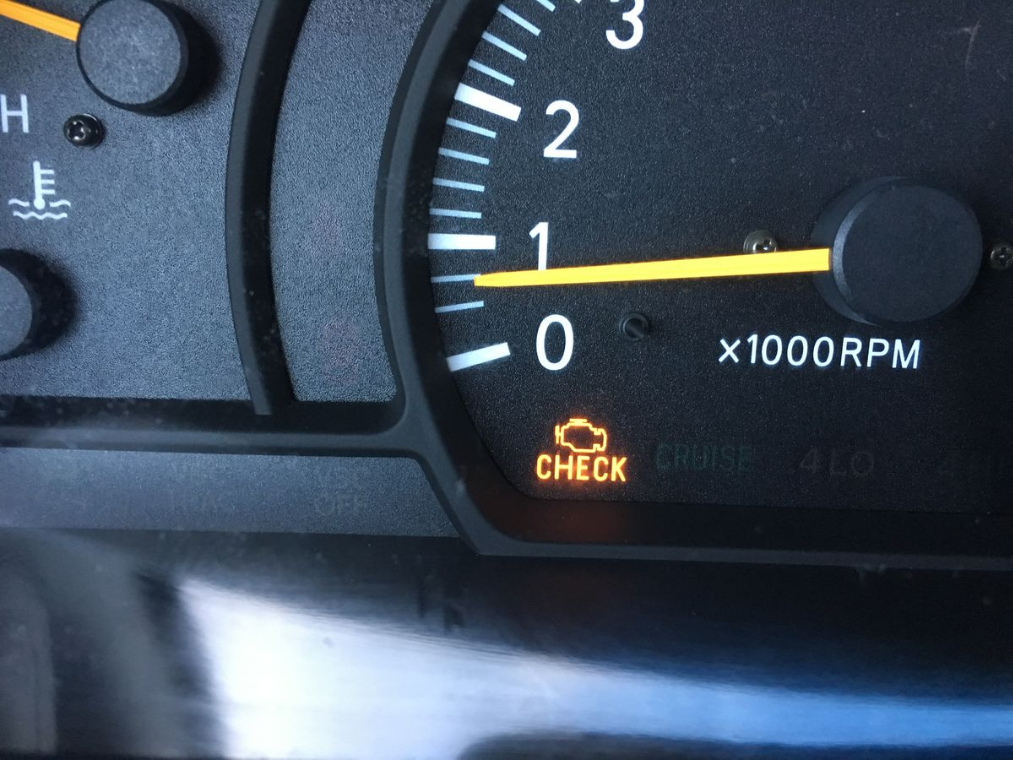
A photo of the check engine light on the dashboard of a car.

3 Signs Your Honda Needs a Transmission Service

Transmission problems may seem scary, but most can be easily and inexpensively repaired if detected when they start. Like most problems, a transmission issue will worsen over time, potentially causing further damage. As your Honda dealership, we'd like you to know a few signs you need to visit us for a transmission service. Transmission Leak Transmission fluid is vital for your transmission, providing the hydraulic power that enables the gears to shift smoothly and easily. Many transmission components depend on friction to work effectively, and this fluid coats them in a friction-resistant covering. The covering allows them to glide rather than grind against each other, reducing wear and tear. Finally, the fluid helps reduce the temperature inside the transmission, reducing component damage. Fluid can leak from several places, but the most common leak site is through a worn transmission pan gasket. The pan gasket seals the transmission but can shrink due to age, and the fluid will leak. Fortunately, a leak is easy to identify as transmission fluid is bright or dark red. Our technicians will examine the transmission and repair the leak. Once the leak is fixed, we'll refill the fluid. Slipping Gears Once your Honda transmission shifts gears, it remains in the new gear until you or the transmission computer shifts it again. Slipping gears is a dangerous situation where the gears shift without warning and usually drop to the previously used gear. Depending on the gear, this can cause your Honda to lurch as it is forcibly slowed or even stop dead and potentially cause an accident. Slipping gears can be caused by worn gear teeth, broken transmission bands, a transmission computer error, or a fluid leak. The most common cause is low transmission fluid, as the lack of fluid reduces the hydraulic power used to shift the gears. Insufficient power prevents the transmission from remaining in the new gear. We'll examine your transmission and repair the problem. Check Engine Light The transmission is one of the few systems in your vehicle that doesn't have a warning light. This is because the engine and transmission work so closely together that a transmission problem will automatically affect engine performance. If the transmission develops a problem, the engine works harder to compensate, causing additional wear and tear on engine components and possibly causing damage. We'll connect an OBD II reader to your Honda computer if you have an illuminated check engine light. Any issues identified by the computer are logged with error codes, and once the reader reveals the code, we will fix the problem. If you have a transmission problem, contact the experts at Coeur d"Alene Honda in Coeur d'Alene, ID.

A person with their thumb up and another with a wrench.

3 Signs Your Honda Needs Maintenance

As your Honda dealership, we provide a complete range of services to keep your Honda in great shape. Parts will inevitably wear out or fail, potentially causing additional damage if not repaired. We'd like you to know a few signs you need to visit us for Honda maintenance. Thudding Noises If you hear thudding noises when driving, this could mean one or both of your engine mounts are damaged. The engine mounts are made from tough rubber and are filled with liquid. The mounts anchor your engine securely to the frame, and their liquid filling helps absorb vibrations from the surface that could damage the engine. They also muzzle the engine vibrations caused by combustion and the movement of countless engine components. In time, the rubber mounts can crack, and the liquid will seep out. If this happens, your engine will move up and down when driving, causing a thudding noise as it hits the frame on the way down. The engine can't tear loose from the damaged mounts, but it will suffer unnecessary wear and tear due to the constant movement. We'll examine the mounts and replace them if they're damaged. Rattling From the Converter The catalytic converter is connected to the exhaust system and converts dangerous, toxic engine gases into harmless gases and water. This reduces pollution when the newly converted gases leave the tailpipe. The converter is a relatively tough component, only requiring replacement after approximately eight years. The converter uses crushing pressure, intense heat, and chemical reactions to convert the gases. If your converter is failing, it can overheat. The converter's interior has a honeycomb structure to provide the largest possible surface area for conversion. Excessive heat can crack the honeycomb, and pieces will break off and rattle inside the converter as you drive. We can't repair this damage, but we can replace the converter to fix the problem. Hard Brake Pedal When you push on the brake pedal, you feel resistance, which grows as you exert more pressure. The resistance is normal and is caused by pressurized brake fluid. If you hit the brakes and the pedal barely moves, the excessive resistance is caused by the failure of a braking component called the brake pedal booster. The booster is located behind the brake pedal and uses a vacuum system to magnify the force you exert 10x. This enables you to apply the brakes without excessive effort. If the booster is damaged, usually due to a leak in the vacuum system, braking will become slower and more tiring due to the extra effort you must exert. We'll examine the booster and repair or replace it to fix this issue. If your Honda isn't working as well as it should, contact us today at Coeur d'Alene Honda in Coeur d'Alene, ID.

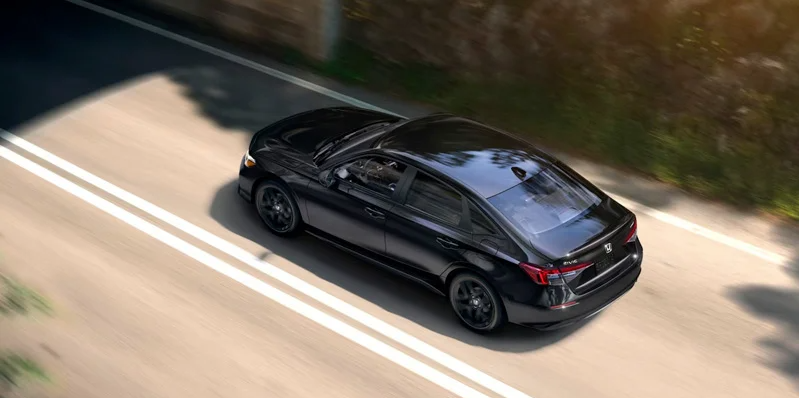
A black 2025 Honda Civic driving down the road near Coeur d'Alene Honda.

Understanding the Comprehensive Honda Warranty Coverage

Your new Honda is covered by comprehensive warranty protection against any unforeseen issue with the labor or parts used in its manufacture. As your Honda dealer, we want to tell you more about some of the protection you enjoy under the 2024 Honda warranty. New Vehicle Limited Warranty This warranty covers the majority of your Honda's systems and components, except covered by the other warranties below. Any issue with the labor or materials used to build your Honda will be promptly repaired by any dealer using Honda-trained technicians and only Honda-approved replacement parts. The replacement parts and work performed are covered by the remaining warranty period. Warranty coverage does not apply to certain situations, including damage caused by using non-approved parts, accidental damage, or damage due to lack of maintenance. Excluded situations are explained in more detail in your warranty handbook. Warranty coverage applies for the first three years or 36,000 miles, whichever comes first. Some systems and components, like the ones below, have a different coverage period. Wheel Balancing and Alignment Any repairs or adjustments needed for wheel balance or alignment are provided at no cost for the first year or 12,000 miles. AC Refrigerant Recharging your refrigerant is free for the first two years or 24,000 miles. If the recharging is required as part of a warranty repair, it's covered for the original warranty period of three years or 36,000 miles. Wiper Blade Inserts The original wiper blades are covered for the first six months and have unlimited mileage. Powertrain Limited Warranty The powertrain includes the engine, transmission and transaxle and FWD or RWD drive systems. All components in these systems are protected except those items which are specifically excluded. Excluded items are listed in your warranty handbook. This warranty applies for five years or 60,000 miles. Seat Belt Limited Warranty Your seat belts and their control systems are protected against defects for fifteen years or 150,000 miles. Rust Perforation Limited Warranty Rust is dangerous to any unprotected metal and can rapidly reduce a metal object to a hollow shell. The metal panels used to build your Honda are treated against rust by specialized coatings applied during manufacture. These coatings don't require reapplication and will protect them against perforation damage. Perforation is defined as rust that forms a hole through a metal panel from one side to the other. If perforation occurs despite these protective coatings, the affected panel will be replaced at no charge. This warranty applies for the first five years with no mileage limitation. These are just some of the highlights of your warranty protection. If you'd like to know more, contact us today at Coeur d'Alene Honda in Coeur d'Alene, ID.

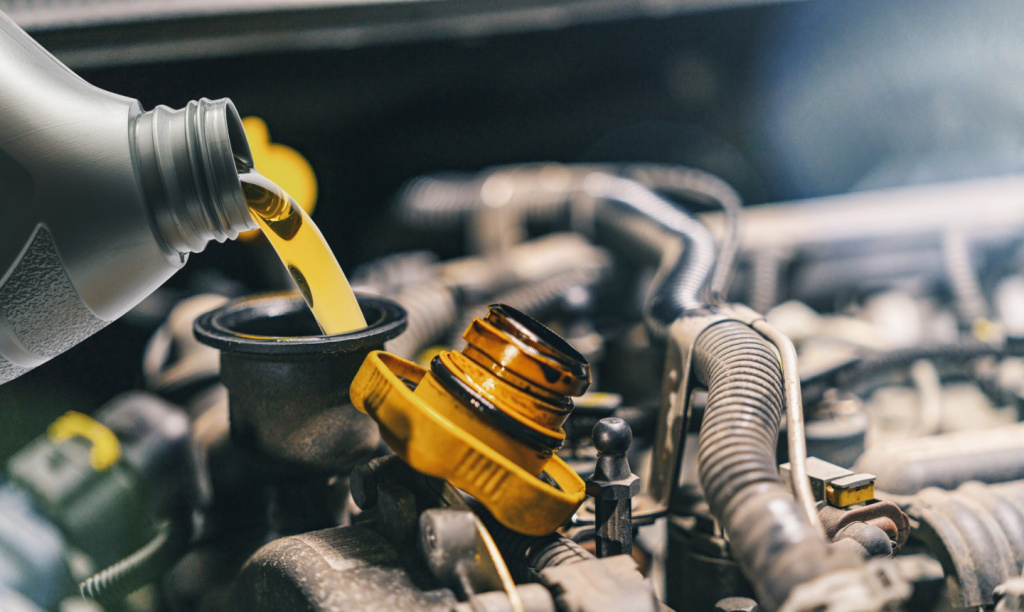
Someone changing the oil on a new Honda at Coeur d'Alene Honda.

The Importance of Regular Oil Changes for Honda Vehicles

As a driver, you're no doubt aware that changing your motor oil is a vital part of diligent vehicle maintenance. Keeping the oil fresh is so important that missing even one oil change can cause irreparable harm to the engine, which will shorten the lifespan of your entire car. Here are five significant reasons that you should visit your local Honda dealer at least twice a year to refresh your oil. Oil Cleans Your Engine Motor oil performs a remarkable number of functions, keeping your engine working at maximum capacity. One thing it does is clean metal fragments and other contaminants into the oil filter. If you neglect to change your oil, the filter and oil will fill up with debris and thicken, which reduces its ability to clean and protect your engine. Oil Lubricates Your Engine The lubricating function of oil is the engine's defense against friction. Motor oil coats all the moving parts in a fine layer, allowing them to move against each other smoothly and easily, mile after mile. But as oil ages, it ceases to lubricate so easily, which allows friction to build, accelerating wear and tear. Oil Prevents Overheating Internal combustion engines use a continual succession of explosions to power the car, which generates a good deal of heat. But the temperature must be kept under control; excessive heat can destroy an engine in short order. Both the cooling system and motor oil work to reduce the engine's heat. Without either one, you're putting your engine and car at risk. Oil Combats Rust and Corrosion Modern synthetic motor oil contains powerful anti-rust qualities that keep the many metal parts from deteriorating. This is one reason why it's never wise to let your car sit unused for too long; the engine must be running for the oil to flow, coat, and protect its various parts. It's also unwise to neglect to refresh your oil, which gradually loses its ability to prevent corrosion as it ages. Oil Lengthens Your Engine's Lifespan Honda engines can run for 250,000 miles and even farther when well-maintained. However, forgetting to change the oil on time diminishes this impressive lifespan. By routinely refreshing the oil, you're also maintaining the value of the car should you ever wish to sell it. Book Biannual Oil Servicing at Your Honda Dealer The rule of thumb for changing motor oil is twice a year. The optimal interval can vary from driver to driver, so it's a good idea to consult on this with a trusted technician. We can arrange a personalized servicing schedule that suits your busy lifestyle, combining maintenance services as needed for optimal time efficiency. Our technicians can also send you courteous reminders whenever it comes time to change your oil. Schedule your first oil service today at Coeur d'Alene Honda in Coeur d'Alene, ID. We've been serving the local community's drivers with great vehicles and maintenance services since 1968.

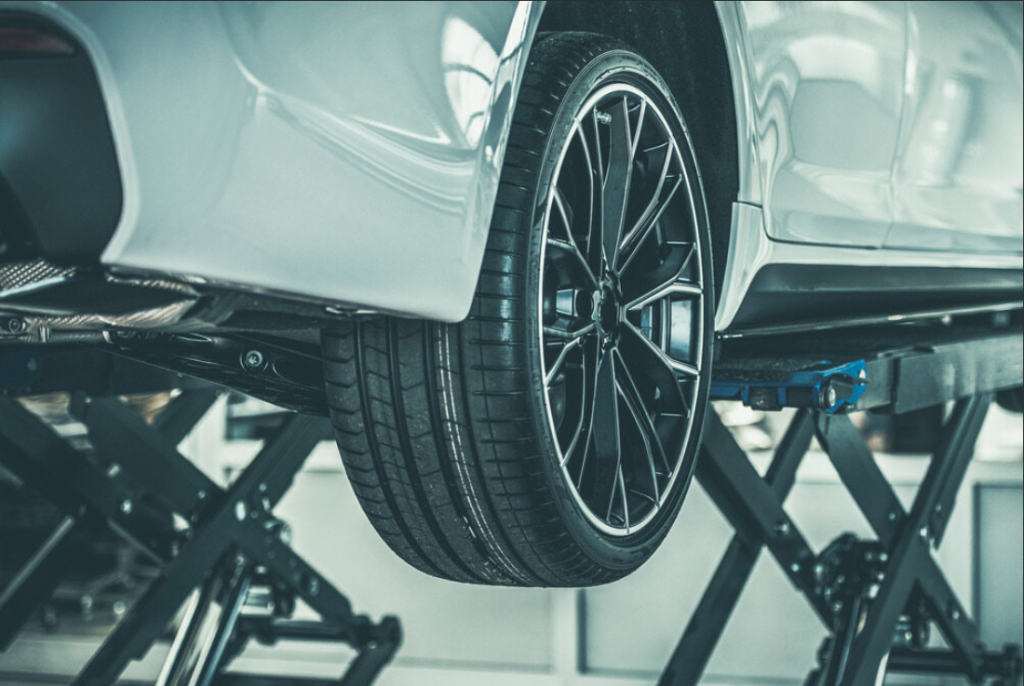
Auto maintenance being done on the underside of a vehicle at Coeur d'Alene Honda.

Comprehensive Honda Maintenance: Keeping Your Car Running Smoothly

Regular servicing and maintenance saves you money by preventing many avoidable repairs. Replacing brake pads, for example, reduces wear and tear on your axles, braking system, and many other components. As your Honda dealer, we want to tell you more about some of the Honda maintenance we provide. Wheel Alignment Wheel alignment refers to the angle of your wheels. Your Honda model's wheel alignment is determined by the designers to enable your vehicle to travel straight and true without pulling to either side. When your Honda is new, its wheel alignment is perfect, but this will change over time. If your wheel alignment isn't correct, tire wear increases, and you'll use more fuel. We can correct any alignment issue by connecting your wheels to our wheel alignment machine. This machine uses a computer to make a series of adjustments to each wheel to bring it back to its correct angles. Spark Plug Replacement The spark plugs provide the ignition source for combustion. A spark plug screws into the top of each engine cylinder, and it ignites the fuel-air mixture at the height of compression. They slowly wear out over time and can also become damaged due to electrical issues, failed ignition coils, or a fuel-rich engine. Damaged plugs will cause misfiring or stalling and decrease your fuel efficiency. Our technicians will test your plugs and replace any worn or damaged ones. Brake Pad Replacement As mentioned above, worn pads can cause unnecessary damage to your Honda if they're not replaced. The pads fit into the brake calipers, and they have a friction material covering that slows and stops the wheel rotors. The material covering thins out over time, and the thinner covering increases your braking distance and decreases brake responsiveness. Worn brake pads produce a high-pitched screeching noise each time you apply the brakes. Replacing damaged pads is a quick process, and you'll feel an immediate improvement in braking effectiveness. Oil Change Oil is one of your Honda's most essential fluids, as it provides lubrication, cools hot engine components, and reduces engine blockages and rust build-up. Older oil becomes thicker, moves more slowly, and is less effective at keeping your engine running smoothly. Our technicians will drain the old oil, remove the old oil filter, and replace it with a new one. We then reseal the sump at the bottom of the engine where the oil is stored and check the seals fit tightly. We then refill your engine with either regular or synthetic oil, depending on the type of oil in your Honda. Contact our service department today at Coeur d'Alene Honda in Coeur d'Alene, ID, to book your next service.

A car in the process of a tire rotation being done at Coeur d'Alene Honda.

Honda Tire Service and Care: Ensuring Road Safety

To drive as safely as possible, your vehicle should be in the best condition it can be in. Everything from your engine and brakes to your tires needs to be taken care of at the local Honda dealership. There are many forms of tire service that you need to get to make sure your tires are in the best shape. Tire Pressure Making sure your tires are inflated enough, but never too much, is essential for road safety. This is because the amount of air you have in your tires can influence your driving. It's easy to damage tires when they're overinflated, and a small obstacle that wouldn't impact properly inflated tires may cause a puncture.  If your tires are underinflated, then you are at risk of a blowout, and your tires won't wear down evenly. Check your owner's manual, and see what psi your tires should be kept at. If the pressure drops, visit the dealer to get more air pumped in. Cars also handle better when the tires are neither over nor underinflated. Wheel Alignment As you drive, your wheels gradually move out of alignment. The tires may not be in line with each other or with the centerline of your car. You need wheel alignments to adjust the angles of your wheels, so your tires can have even contact with the road surface, giving you the most traction possible for optimum safety. Tire Rotation When your tires wear down evenly, they last longer and provide a smoother ride with an even amount of traction across the entire surface of the tire. To make sure they wear down evenly, you need to get a tire rotation approximately every 5,000 to 8,000 miles, but this may vary depending on your specific car model. Generally, though, the tires need to be rotated twice a year so they can provide the most traction, making your right safer. Tire Balancing If your vehicle doesn't put the same amount of weight on all of your tires, then your ride won't be as comfortable as it should be. You'll feel more vibrations coming from your wheels, and your car just won't be as safe as it could be. Going to a highly qualified mechanic, such as those who work at your local dealership, to get new tires installed is vital. That way, you'll ensure tire balancing is done as part of the normal installation process, so you won't have any issues. Tread Depth Make sure you measure your tread regularly. When your tread gets too shallow, your tires can't perform as optimally as they should. Deeper tread grips the road better, so when your tread gets shallower than 2/32 of an inch, it's time for a new set of tires. Come to Coeur d'Alene Honda in d'Alene, ID for all your tire care needs. Make sure you also come by for all your other car maintenance needs, too.

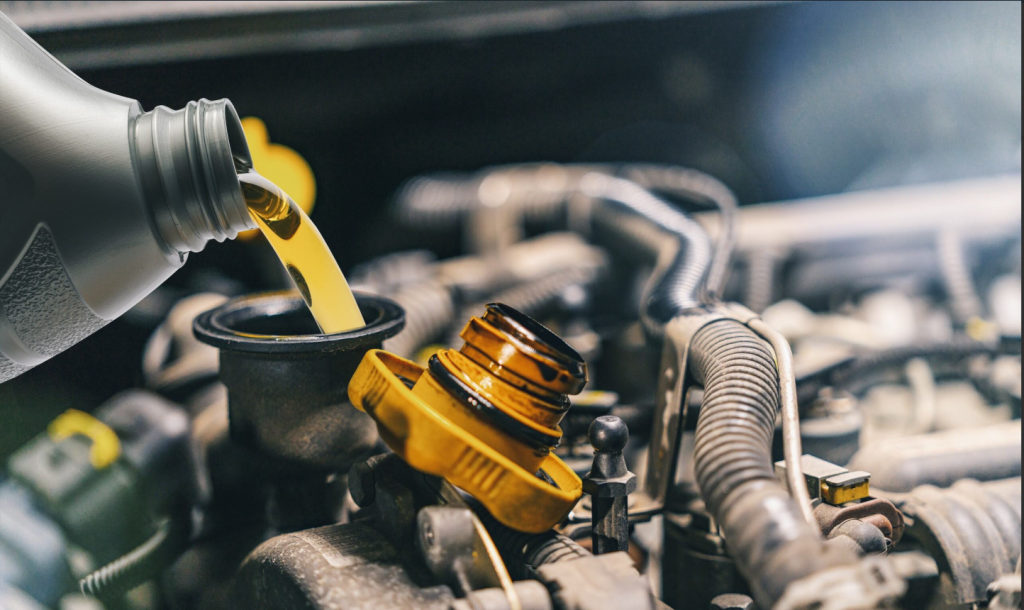
An oil change being preformed on a car near Coeur d'Alene Honda.

The Benefits of Regular Oil Changes for Hondas

Modern synthetic motor oil is more chemically stable than traditional oil, with superior longevity and many useful additives. You can expect your synthetic oil to last 7,500 to 10,000 miles before it needs to be changed, after which it will finally start to degrade. For the following reasons, it's important not to miss a scheduled oil change at your local Honda dealer. Let's look at the many benefits of keeping motor oil as fresh as possible at all times. Better Engine Performance Motor oil serves a variety of essential functions inside the engine. Not only does it lubricate the pistons, valves, rods, and other moving components, minimizing friction, but motor oil also cleans out particles, prevents the buildup of sludge, and reduces rust. Without fresh, fully functioning oil, your engine will rapidly suffer from excessive friction, contaminant sludge, and corrosion. This prevents the engine from working efficiently and saps its power, decreasing overall vehicle performance. Longer Engine and Vehicle Lifespan The problems resulting from degraded motor oil also accelerate engine wear and tear. In particular, increasing friction from a lack of lubrication may cause significant damage inside your engine. Because of this, motor oil does a great deal in extending the lifespan of your engine, and by extension, your car. Keep Your Warranty Valid If your car has a warranty, it will most likely require routine oil servicing to remain valid. This is because the manufacturer knows how crucial it is to refresh motor oil frequently. Without regular changes, it's only a matter of time before your car runs into serious trouble. Less Risk of Overheating Overheating is often the death knell of a car's engine. While coolant does most of the work in keeping an engine cool, motor oil also helps keep temperatures under control. If you allow your oil to deteriorate and turn to sludge, the build-up of friction may lead to overheating, which can destroy a car's engine in short order. Improved Gas Mileage In keeping your engine running as efficiently as possible, fresh motor oil also maximizes your car's gas mileage. If you find yourself stopping for gas more frequently, you may need to refresh your oil. Change Your Oil Twice a Year at Your Honda Dealer Most drivers visit their local dealership for fresh motor oil twice a year. You can check your owner's manual and abide by the manufacturer's schedule recommended for your particular vehicle. Some drivers should change their oil three or four times a year. This applies if you put your engine under excessive strain with regular commutes in heavy traffic, daily short drives of under five miles, or other severe driving conditions. Visit Coeur d'Alene Honda in Coeur d'Alene, ID, today to have your oil refreshed by friendly, knowledgeable technicians. We've been helping out the region's drivers with great vehicles, deals, maintenance services, and customer care for over two decades.

Contact Us

Fill out this form below and we'll contact you shortly
*Required Fields